
I get this question so often that I could almost answer it before the client finishes describing the little shocks they keep getting every time they touch a door handle. Static feels harmless at first, but the moment it becomes a daily surprise, most people start hunting for answers. I remember one flat in Greenwich where the tenant swore the hallway carpet was turning into a rogue power station every time he walked to the kitchen. He rang me after he shocked himself on the fridge for the sixth time in a week.
So, does anti-static carpet treatment actually work? Yes, it does, and I’ve seen it solve countless cases across London. It isn’t magic, and it doesn’t fix everything, but when used on the right carpet and applied with the right method, it calms the fibres and cuts down the shocks in a big way. I’ll walk you through what this treatment is, how it helps, where it works best, and the limits that people often never hear about.
What Static Actually Is In Carpets
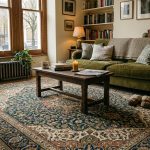
Static in a carpet builds up when fibres hold an electrical charge instead of releasing it safely. You walk, your shoes rub, the air dries out, and the carpet slowly loads itself like a tiny battery that no one asked for. Once that charge grows strong enough, it jumps to the nearest metal surface. That surface usually happens to be a door handle, a laptop frame, or a poor pet wandering past.
Why Some Carpets Hold More Static Than Others
Some materials grab hold of electrical charge far more than others. Synthetic fibres such as nylon and polypropylene love to hang on to it. I often see this in modern flats and offices because these fibres are durable, stain-resistant, and fairly cheap. Wool behaves very differently. It breathes better, stays softer, balances moisture, and drops static far more easily. I walked into a Farringdon office once where every staff member carried a pen just to open meeting room doors. They had nylon carpet tiles. Each one might as well have been a tiny thundercloud.
Everyday Triggers Of Static Build-up
Dry air plays a huge part. London isn’t a desert, but indoor heating in winter dries a room quickly. Shoes with rubber soles hold the charge instead of letting it fade. Constant foot traffic raises the level even more. Frequent shuffling across long hallways pushes it over the edge. In one Canary Wharf flat, the client showed me a video where the static spark lit up like a tiny firework every time she reached for her coat hook.
What Anti-static Carpet Treatment Actually Is
Anti-static treatment is a liquid solution applied to carpet fibres that helps them release stored charge instead of holding it tight. The solution dries invisibly and doesn’t change the look or feel of the carpet when applied correctly.
How The Treatment Works On A Fibre Level
The solution forms a light, even coating that balances moisture on the surface of each fibre. That balance helps the charge escape into the air before it has time to grow strong enough to bite you. I compare it to calming an overexcited dog. You’re not changing the dog. You’re just helping it settle before it jumps on everyone who walks in.
The Main Types Of Anti-static Treatments Professionals Use
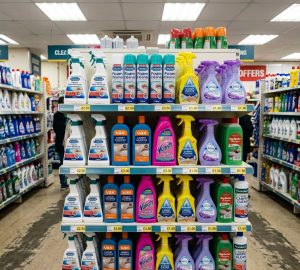
Professionals often use spray-on treatments, rinse-in solutions added during cleaning, or specific products designed for high-tech spaces. I avoid any brand that leaves residue or builds up stickiness because that leads to trapped dirt and dull patches. A carpet should feel natural after treatment, not coated or tacky. Some shops sell cheap sprays for home use, but most of them wear off so quickly that the client ends up calling me anyway.
Where Anti-static Treatment Works Best
Some carpets and spaces respond far better than others. In the right setting, the difference is noticeable within a day.
Homes With Constant Shocks And Dry Air
Flats with synthetic carpets, closed windows, heaters running all winter, and people wearing socks on laminate floors before stepping onto the carpet often turn into warm little static factories. I remember a family in Lewisham telling me they had to warn guests before they stepped into the living room. After treatment, the mother emailed me saying she touched the radiator without yelping for the first time in months.
Offices Packed With Electronics
Offices carry far higher risk. Printers, scanners, computers, and servers hate static. I’ve seen a photocopier refuse to work after a single zap from a staff member. Server rooms are even more sensitive. Some offices across the City call me every quarter just to keep the space stable, because one static shock can damage the equipment or cause data faults.
Commercial Areas With Heavy Foot Traffic
Shops, call centres, hotels, and airports get so much foot traffic that carpets build charge throughout the day. Anti-static treatment helps slow that build-up and makes these spaces more comfortable for staff. A Paddington call centre once asked me to treat over 1,000 square metres because their team complained about shocks every winter.
Does Anti-static Carpet Treatment Actually Work?
The short answer is yes, in the right conditions. The long answer takes a bit more detail.
Situations Where It Works Brilliantly
Synthetic carpets in dry rooms respond extremely well. Walkways, offices, open hallways, and busy commercial floors usually show strong results. Homes with heaters running all day see improvement almost straight away. My clients often tell me the air feels calmer and that the harsh snaps disappear from daily life.
Cases Where It Doesn’t Work As Well
Some carpets have deeper issues that treatment can’t fully solve. The backing might generate charge even if the surface fibres behave. The room might have air so dry that the treatment only helps for a short while. The carpet might be old and worn down in a way that exposes more synthetic surface than usual. I’ve refused the treatment before when I knew it would waste the client’s money, because the real issue came from ventilation or humidity rather than the carpet itself.
How Long The Treatment Lasts—And Why
The lifespan varies. Homes often get two to four months before the effect wears down. Offices with controlled air may get longer results. Strong foot traffic reduces the lifespan. Regular cleaning helps maintain the effect but also slowly removes the treatment over time. I always tell clients that reapplication is normal, not a sign of failure.
How Professionals Apply Anti-static Treatment
There’s a bit more to it than spraying a bottle and hoping for the best.
The Walk-through, Inspection, And Technical Checks
I always start by working out what the carpet is made from. I check pile height, backing type, and airflow in the room. I look for residue from old cleaning products or cheap sprays. I test humidity. I ask how the room is used. That little detective moment helps me tailor the treatment so it actually works.
The Application Process Step By Step
I apply the solution as a fine, even mist across the fibres. I avoid soaking the carpet because that leaves stiff patches. A soft brush helps the solution reach down between the fibres. I give it time to settle and dry before allowing foot traffic over it. I always test a few square feet at the end to confirm that the fibres behave properly.
Safety Notes For Homes And Offices
I only use certified, low-odour products. I keep windows open or vents running during application. I block off the area while it dries to prevent slip risks. Most clients expect a strange smell, but the good treatments dry without leaving any trace.
How To Tell If You Actually Need Anti-static Treatment
Not every shock comes from the carpet.
Signs That Shocks Are Coming From The Carpet
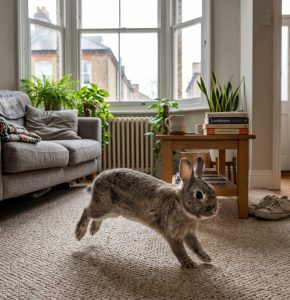
Frequent sparks, crackles, or tiny flashes when touching metal parts of the room often point to the carpet. Pets that jump away like jumping beans after walking across a rug are another clue. I’ve even had clients tell me their clothes cling to them more than usual when the carpet starts acting up.
Signs That The Carpet Isn’t The Real Culprit
Footwear plays a bigger role than people think. Heaters dry the air fast. Poor airflow makes dry pockets in corners. I’ve told homeowners to test a humidifier before spending money on treatment. Some issues fade once the indoor air reaches a better balance.
Costs, Expectations, And Realistic Results
The cost depends on the space, the carpet type, and the scale of the job. Most London flats fall in the lower range because the areas are small. Offices and commercial buildings cost more, mainly due to the size and the need for precise application. I never promise total removal of static because that depends on too many factors, but I do promise a clear reduction.
What Clients Should Expect After Treatment
Most clients tell me the shocks stop or drop to rare moments. Carpets feel calmer underfoot. Electronics behave better. Pets relax. One client in Wimbledon messaged me saying she could stroke her cat for the first time in weeks without worrying about sparks flying.